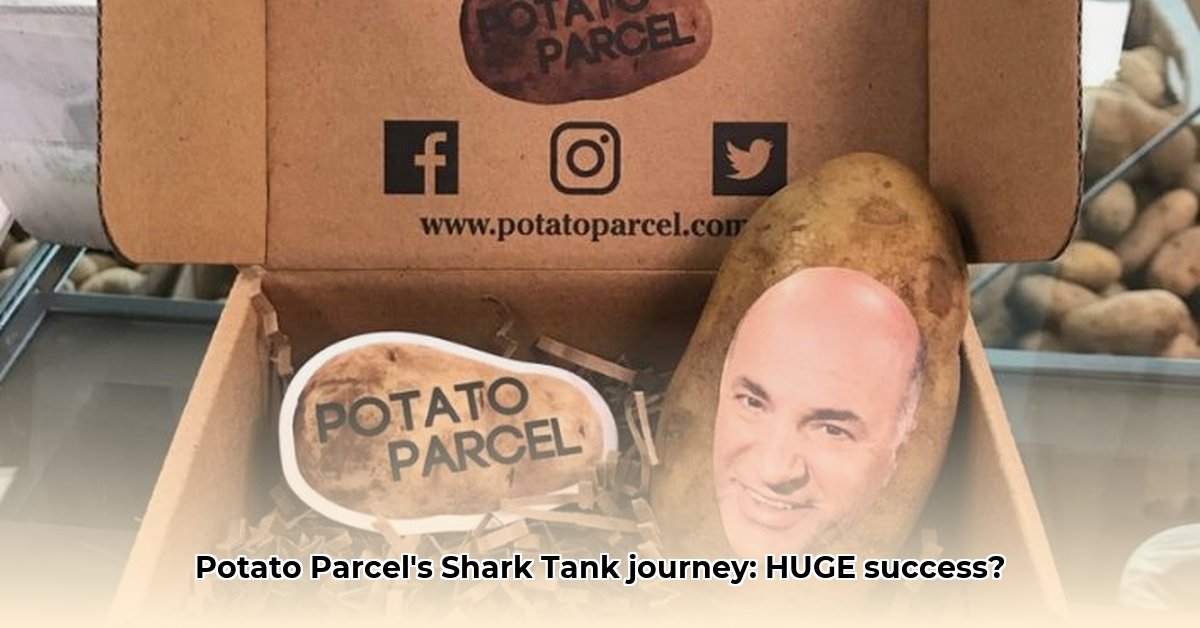
Potato Parcel's Shark Tank appearance wasn't just a fleeting moment of fame; it served as a pivotal turning point for the company. Securing a deal with Kevin O'Leary proved to be a game-changer, significantly accelerating their growth beyond their initial, quirky potato-based novelty gifts. But what is Potato Parcel's current net worth, and can this success story maintain its upward trajectory? For more on Shark Tank companies' net worth, check out this resource.
A Post-Shark Tank Boom: Expanding Beyond Potatoes
Following their Shark Tank episode, Potato Parcel experienced explosive sales growth. Reports indicate an impressive surge, with well over 70,000 additional potatoes sold by 2018 alone. Current annual revenue estimates range from $600,000 to $700,000. This remarkable growth underscores the effectiveness of their Shark Tank pitch and their strategic diversification into new product lines. O'Leary's business acumen likely played a crucial role in guiding their expansion.
Diversification: A Strategy for Long-Term Growth
Recognizing the inherent limitations of a business solely dependent on a perishable product, Potato Parcel wisely diversified its offerings. They've expanded into new product categories, including socks and pillows, cleverly leveraging their established brand recognition. This strategic move is essential for long-term sustainability. However, maintaining their unique brand appeal and relevance in a competitive market remains a significant challenge.
Navigating Challenges and Opportunities
Despite impressive growth, Potato Parcel faces hurdles. The novelty gift market is highly competitive, requiring continuous innovation and effective marketing. Maintaining their initial charm and brand appeal is crucial for continued success. Further market analysis would provide valuable insights into their long-term prospects, encompassing both potato-themed gifts and their newer product lines.
Assessing Potato Parcel's Net Worth
Determining Potato Parcel's precise net worth is difficult without access to their private financial statements. However, analyzing key factors influencing its value, such as O'Leary's investment and reported revenue, strongly suggests a substantial increase since their Shark Tank appearance. Their growth trajectory showcases entrepreneurial drive, but sustaining this momentum is critical for long-term success.
Key Stakeholders and Their Objectives
The success of Potato Parcel hinges on the goals and actions of various stakeholders:
| Stakeholder | Short-Term Goals | Long-Term Goals |
|---|---|---|
| Founders | Optimize operations, enhance online presence. | Expand product lines, explore international markets. |
| Kevin O'Leary | Monitor return on investment (ROI), guide strategic decisions. | Assess long-term profitability, potentially consider an exit strategy. |
| Investors (general) | Evaluate company performance, manage investment risk. | Track market trends, adapt investment strategies accordingly. |
Mitigating Risks: A Proactive Approach
Potato Parcel faces several potential risks that require proactive mitigation strategies:
| Risk Category | Likelihood | Impact | Mitigation Strategy |
|---|---|---|---|
| Market Saturation | Moderate | High | Continuous innovation in product design and marketing. |
| Competition | Moderate | Moderate | Emphasis on strong brand building and unique product features. |
| Economic Downturn | Low | High | Efficient cost management and robust financial reserves. |
Potato Parcel's journey, from its Shark Tank appearance to its current position, offers a valuable case study in entrepreneurship. Further research into the novelty gift sector and similar entrepreneurial ventures would be insightful. The company's future net worth remains to be seen, but its success story is undeniably compelling.